The Marshall Brand
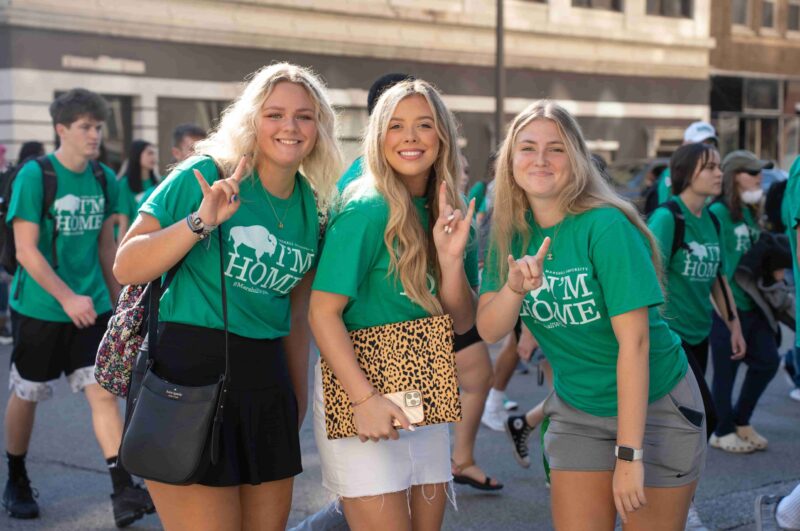
Be part of something big
We are all part of the Marshall community – student, alumnus, staff, or supporter – and that makes us all part of the Marshall brand. To help bring the Marshall brand to life and protect its integrity, this website is a connection point for partnerships in strategy development, asset creation, and resource management. It will help us tell the Marshall story and invite others in to make Marshall part of their own story.
The Fine Print
Before requesting a service, please take note of the following guidelines:
- All strategic marketing requests should support a strategic priority and help support the institution’s enrollment.
- All requests are subject to availability and varying turnaround times.
- A Marketing & Communications Department member will partner with you upon submission to help guide the request to a successful completion. Learn more about our process.
Start a Project & Develop a Plan




If you’re not sure where to start with your request you can submit a general request to our team and we’ll be happy to assist you.
Schedule Your Headshots
Need an updated headshot? We provide free photo sessions for faculty, staff, and students several times each semester. Sign up for a time that works best for you.
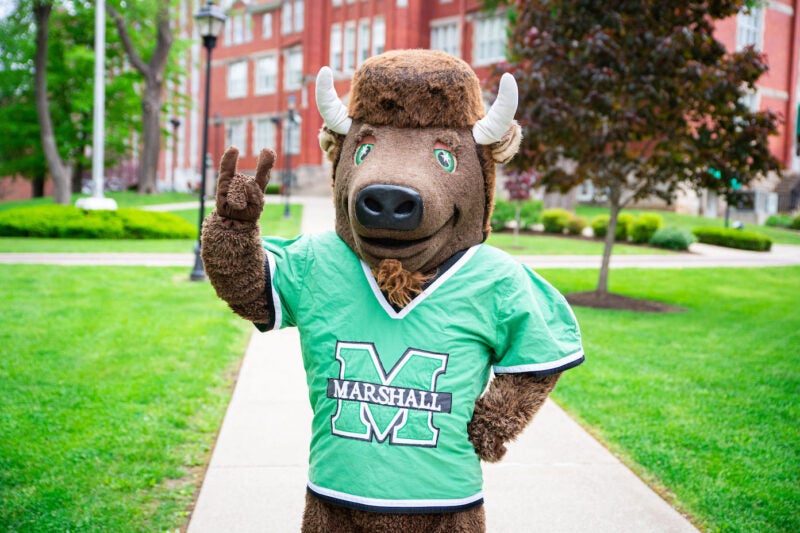
Request Marco
No event is complete without Marco! From cheering on the crowd to posing for photos, our mascot brings Herd spirit wherever he goes. Request an appearance to make your university-approved event one to remember.

Marshall Magazine
From alumni making an impact to groundbreaking research and campus traditions, Marshall Magazine tells the stories that define our university. It’s where the Marshall family comes together to celebrate achievements and look toward the future. Discover the latest issue or revisit past ones.
