A Disease Threatening a Native Appalachian Tree
Butternut Canker is a serious disease affecting the Butternut (Juglans cinerea), a native hardwood tree found throughout much of eastern North America. Since the disease was first recognized in the twentieth century, it has caused widespread decline and mortality across the species’ range, making Butternut one of the most at-risk native trees in Appalachian forests.
The decline of Butternut populations has led forest managers, researchers, and conservation organizations to focus on identifying disease-resistant trees and preserving the species for future generations.
What Is Butternut Canker?
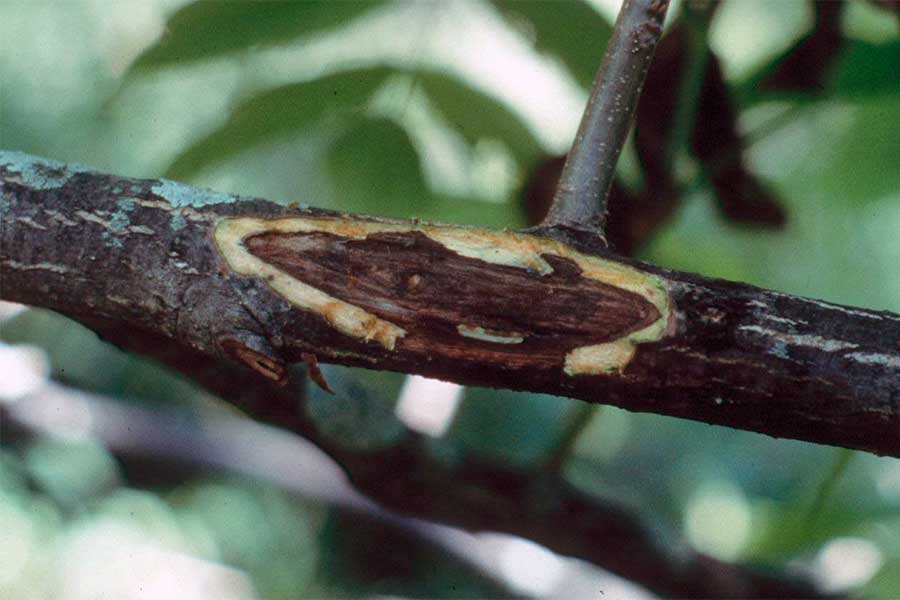
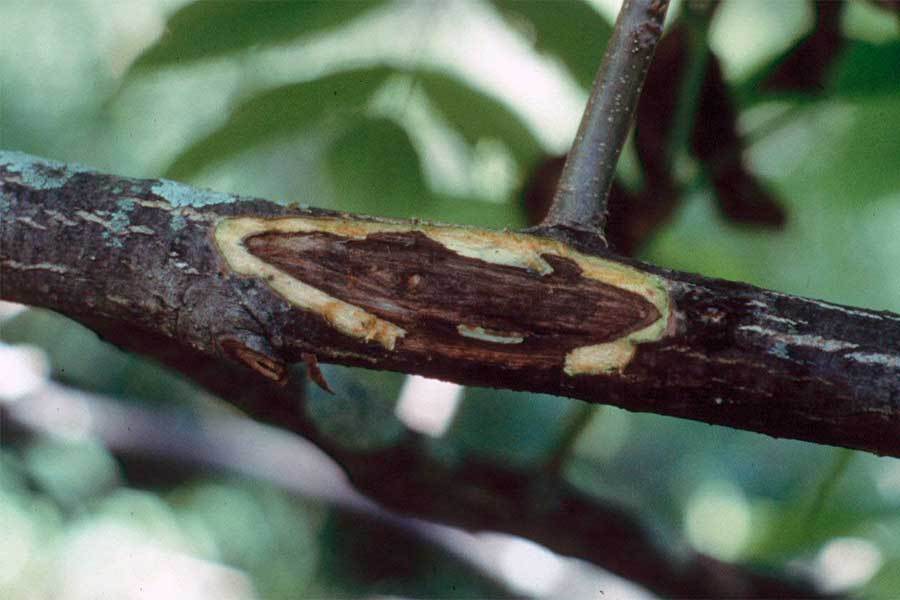
Butternut Canker is caused by a fungal pathogen that infects the bark and woody tissues of Butternut trees. The disease produces cankers, or areas of dead tissue, on branches, trunks, and exposed roots.
As infections spread, the cankers disrupt the movement of water and nutrients within the tree. Multiple cankers often merge together, eventually girdling branches and trunks and causing widespread decline.
Signs and Symptoms
Common symptoms of Butternut Canker include:
- Sunken, elongated cankers on branches and trunks
- Dark streaking beneath the bark
- Branch dieback in the upper canopy
- Epicormic sprouts emerging from the trunk
- Progressive crown decline
- Tree mortality over time
The disease can affect Butternut trees of all ages, from young saplings to mature canopy trees.
Why Does It Matter?
Butternut trees provide food, habitat, and ecological diversity throughout eastern forests. Their nutritious nuts are consumed by birds and mammals, while mature trees contribute to forest structure and biodiversity.
The species also has a long history of human use. Its nuts were valued as a food source, and its wood was prized for furniture, carving, cabinetry, and other specialty woodworking applications.
As Butternut populations decline, forests lose not only an important native species but also the ecological and cultural benefits it provides.
Conservation Efforts
Researchers and conservation agencies continue to work toward preserving Butternut populations through:
- Monitoring healthy trees
- Collecting and preserving genetic material
- Identifying naturally resistant individuals
- Establishing breeding and restoration programs
- Promoting awareness of the species’ decline
Some surviving trees show evidence of partial resistance to the disease, providing hope for long-term conservation efforts.
Butternut and the Marshall University Arboretum
The Marshall University Arboretum includes Butternut within its tree collection, providing visitors an opportunity to learn about a species facing significant conservation challenges.
The story of Butternut Canker highlights the importance of protecting tree diversity and monitoring forest health. Like Dutch Elm Disease, Emerald Ash Borer, and Hemlock Woolly Adelgid, Butternut Canker demonstrates how diseases and invasive organisms can dramatically alter forests and landscapes over time.
Understanding these challenges helps promote conservation, stewardship, and appreciation of the native trees that define the Appalachian region.
Quick Facts
Common Name: Butternut Canker
Primary Host: Butternut (Juglans cinerea)
Cause: Fungal pathogen causing cankers on stems and branches
Primary Impact: Progressive decline and mortality of Butternut trees
Affected Region: Eastern North America
Conservation Concern: Significant population declines throughout the species’ native range