A Collaborative Campus Effort
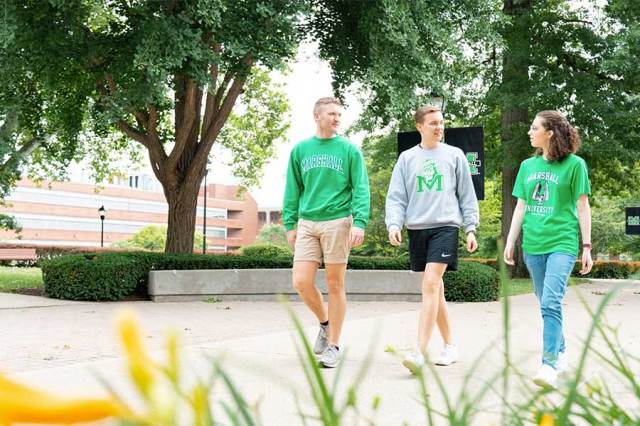
The Marshall University Arboretum is the result of collaboration among academic, operational, and sustainability-focused units across the university. Together, these partners support the identification, stewardship, study, and long-term care of the trees that make up Marshall University’s living arboretum. The partnership combines expertise in natural resources, environmental stewardship, facilities management, and community engagement to promote a healthier and more sustainable campus environment.
Through this collaborative approach, the arboretum serves as both a valuable educational resource and an example of responsible urban forest management.
The College of Science supports the educational and research mission of the arboretum by fostering opportunities for students and faculty to engage with the campus landscape as a living laboratory. Through teaching, scholarship, and community outreach, the college helps connect the arboretum to learning experiences that extend beyond the classroom.
Dept. of Biological Sciences
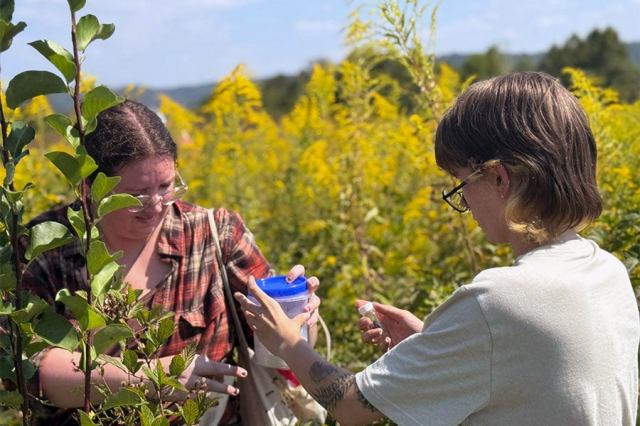
The Department of Biological Sciences advances discovery and education through research spanning ecology, genetics, microbiology, physiology, and environmental science. Faculty and student researchers have been invaluable partners in improving the campus tree map and expanding knowledge of the university’s natural resources.
Dept. of Natural Resources & Earth Sciences
The Department of Natural Resources & Earth Sciences provides academic expertise that helps guide the arboretum’s educational value. Faculty and students contribute knowledge in areas such as forestry, ecology, conservation, environmental science, and resource management, helping visitors better understand the diversity and importance of campus trees.
Environmental Health & Safety
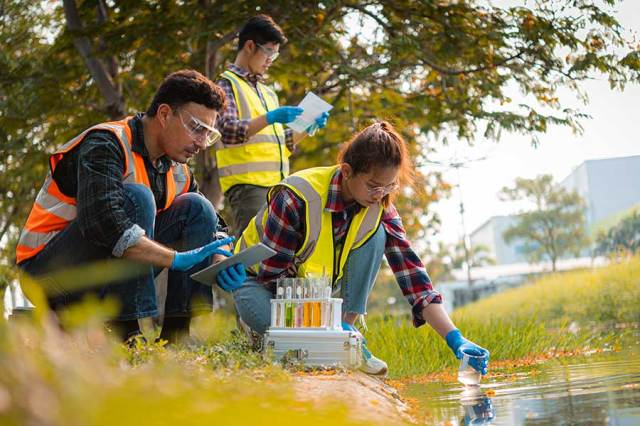
Environmental Health & Safety supports the arboretum through its commitment to environmental stewardship and campus well-being. By helping promote safe and sustainable practices, the department contributes to maintaining a campus environment that benefits both people and natural resources.
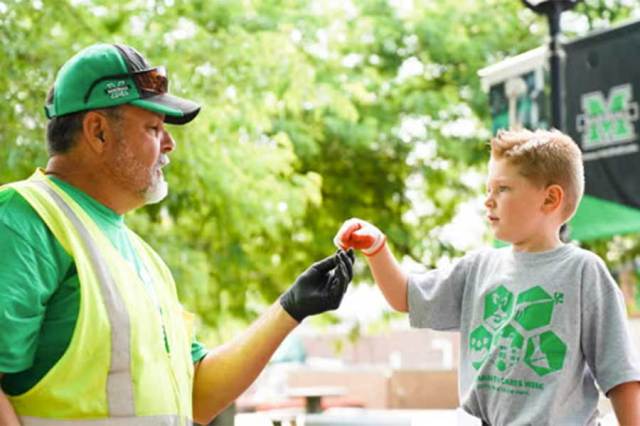
Facilities & Operations plays a vital role in the care and maintenance of the university’s tree collection. From planting and pruning to monitoring tree health, the department helps ensure that campus trees remain healthy, safe, and attractive for future generations of students, employees, and visitors.
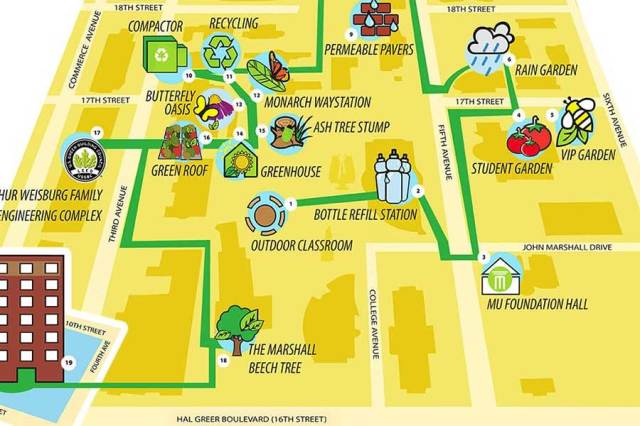
The Green Trail connects visitors with sustainability-focused features and points of interest across campus. As an important part of that experience, the arboretum helps showcase the natural resources that contribute to campus biodiversity, environmental health, and outdoor learning opportunities.
Marshall Libraries supports research, learning, and preservation of Marshall University’s history and traditions. Through archival collections, historical records, and staff expertise, the libraries have helped document the stories behind notable trees, memorial plantings, and campus landmarks featured throughout the arboretum.
Marshall University’s Sustainability program advances initiatives that promote environmental responsibility across campus. The arboretum supports these efforts by highlighting the ecological value of trees, encouraging environmental awareness, and contributing to a more sustainable campus landscape.
Working Together
The success of the Marshall University Arboretum reflects the shared commitment of these campus partners to education, conservation, sustainability, and stewardship. Through their continued collaboration, the arboretum will remain a valuable resource for learning, discovery, and appreciation of the natural world.