A Disease That Transformed the American Landscape
Dutch elm disease is one of the most destructive tree diseases in North American history. Since its introduction in the twentieth century, the disease has killed millions of elm trees across cities, towns, and forests, dramatically changing the appearance of streets, parks, and natural landscapes.
The disease is especially significant because of its impact on the American Elm (Ulmus americana), a species once widely planted for its graceful vase-shaped form, rapid growth, and durability.
What is Dutch elm disease?
Dutch elm disease is caused by fungi in the genus Ophiostoma. The disease affects the water-conducting tissues of elm trees, preventing the movement of water from roots to leaves.
As the disease progresses, affected branches begin to wilt and die. Over time, the infection can spread throughout the tree, ultimately causing its death.
How does it spread?
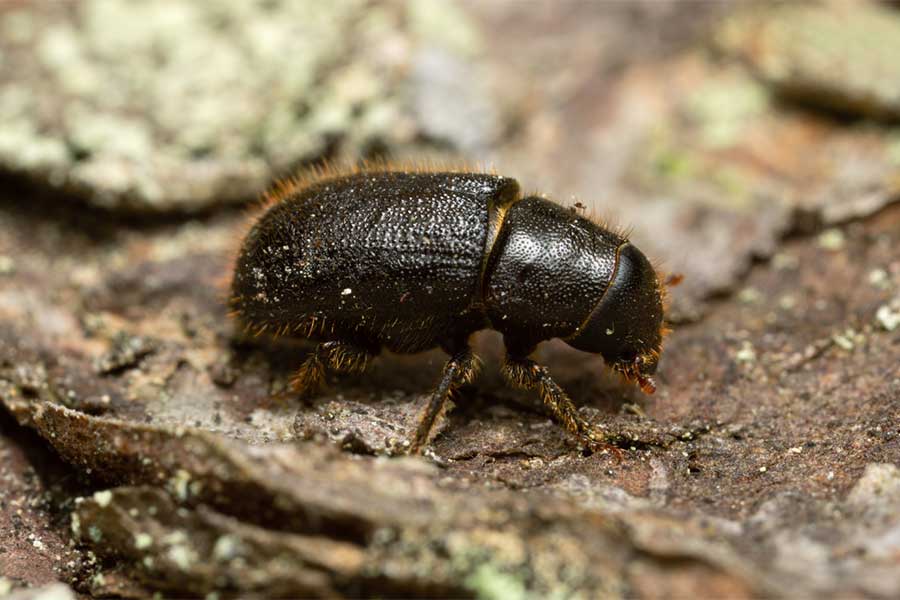
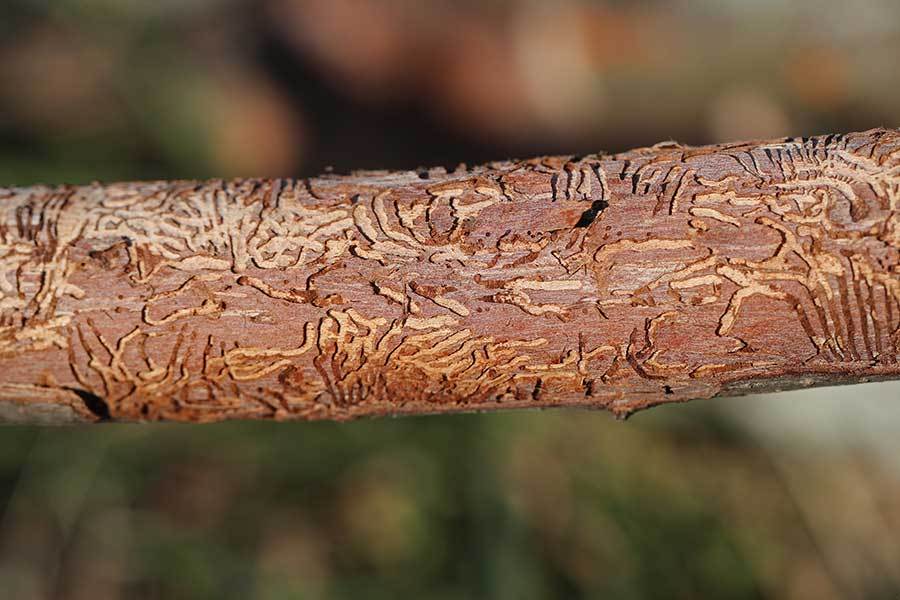
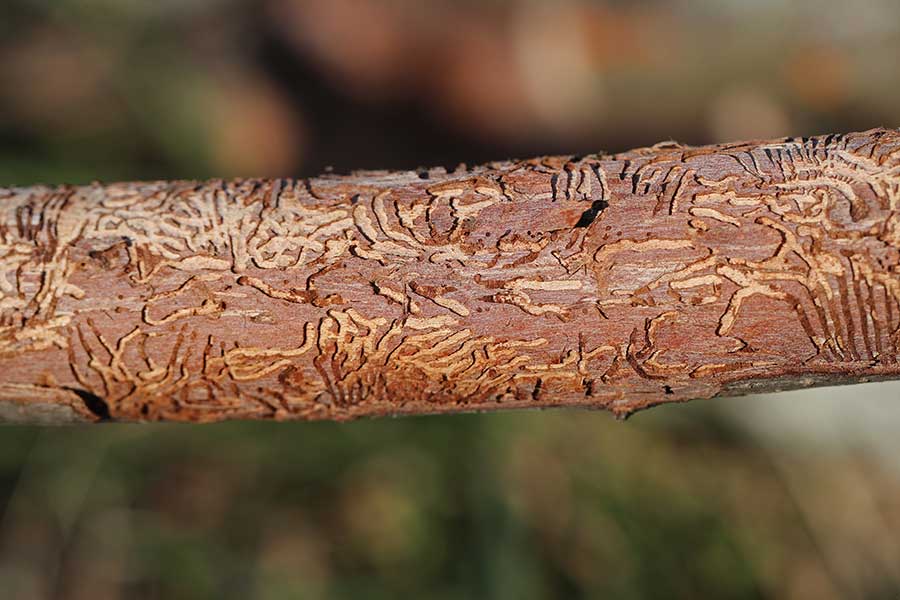
Dutch elm disease is most commonly spread by elm bark beetles. These insects carry fungal spores from infected trees to healthy trees as they feed and reproduce.
The disease may also spread through root grafts, where the roots of neighboring elm trees become connected underground, allowing the fungus to move from one tree to another.
Signs and Symptoms
Common signs of Dutch elm disease include:
- Yellowing or browning leaves during the growing season
- Wilting branches, often beginning in the upper canopy
- Premature leaf drop
- Progressive die-back of branches
- Brown streaking in the wood beneath the bark
Because these symptoms can resemble other tree health issues, proper diagnosis is often needed to confirm an infection.
The Impact on American Elms
Before the arrival of Dutch elm disease, American elms were among the most popular shade trees in North America. Thousands lined streets, campuses, parks, and public spaces.
Learn about American ElmThe widespread loss of mature elms reshaped urban forests across the continent and highlighted the importance of tree diversity in landscape planning. Today, communities work to preserve remaining elms, plant disease-resistant varieties, and monitor trees for signs of infection.
Dutch Elm Disease and the Marshall University Arboretum
The Marshall University Arboretum includes American Elm as part of its tree collection. Dutch elm disease serves as an important example of how insects, pathogens, and environmental stressors can affect tree populations over time.
Understanding diseases such as Dutch elm disease helps students and visitors appreciate the challenges involved in maintaining healthy urban forests and protecting valuable tree resources for future generations.
Learn More
Interested in elm trees? Visit the American Elm species page to learn about the characteristics, ecology, and historical significance of one of North America’s most iconic trees.
Quick Facts
Common Name: Dutch Elm Disease
Cause: Fungal pathogens in the genus Ophiostoma
Primary Hosts: Elm species (Ulmus)
Primary Vector: Elm bark beetles
First Identified: Early 20th century
Primary Impact: Disrupts water transport within elm trees, leading to decline and death