
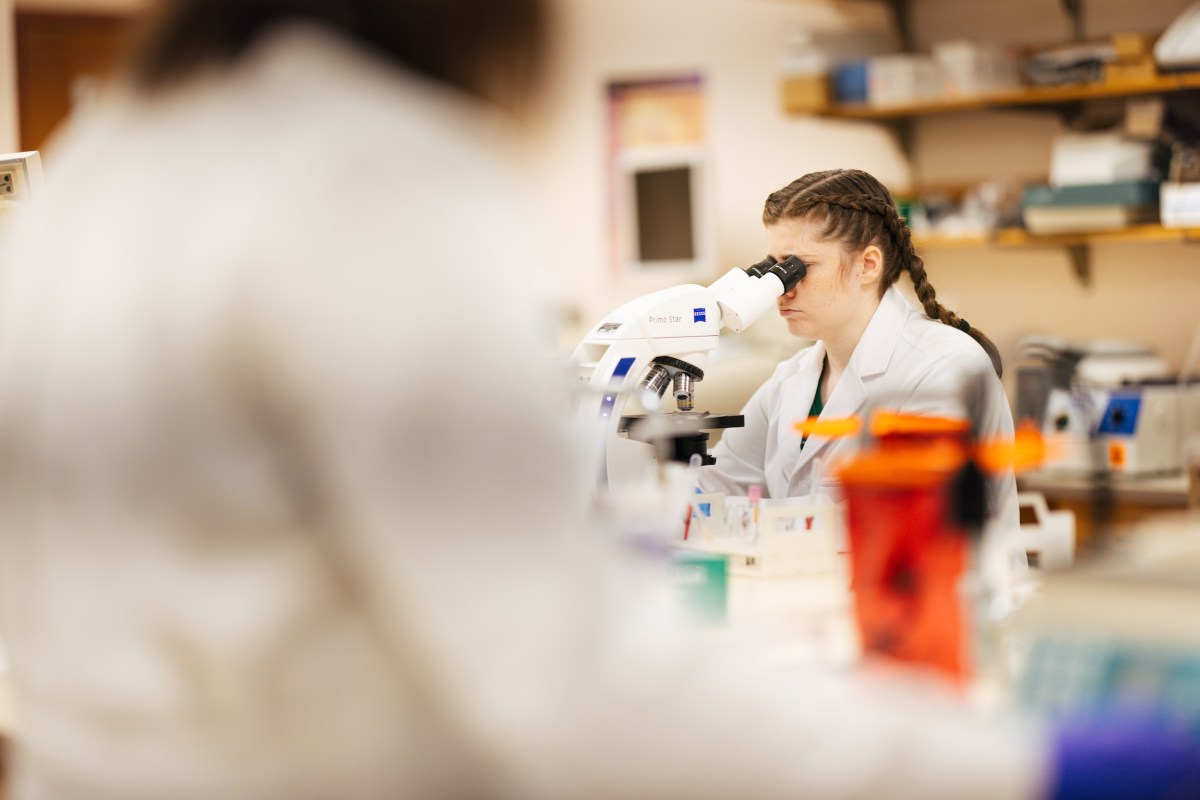
Research at Marshall
About
Marshall University is recognized as an R2 research university with high research activity in areas ranging from biotechnology and engineering to health sciences and the humanities.
Through our research corporation, we secured over $73 million in new research awards during FY 2024, supporting groundbreaking work and economic growth in the Appalachian region.
With state-of-the-art facilities including the Biotechnology Science Center and the Arthur Weisberg Applied Engineering Complex, we continue to foster interdisciplinary innovation and impactful community partnerships.
Continue reading to explore some of the newest advances and developments happening at Marshall University.
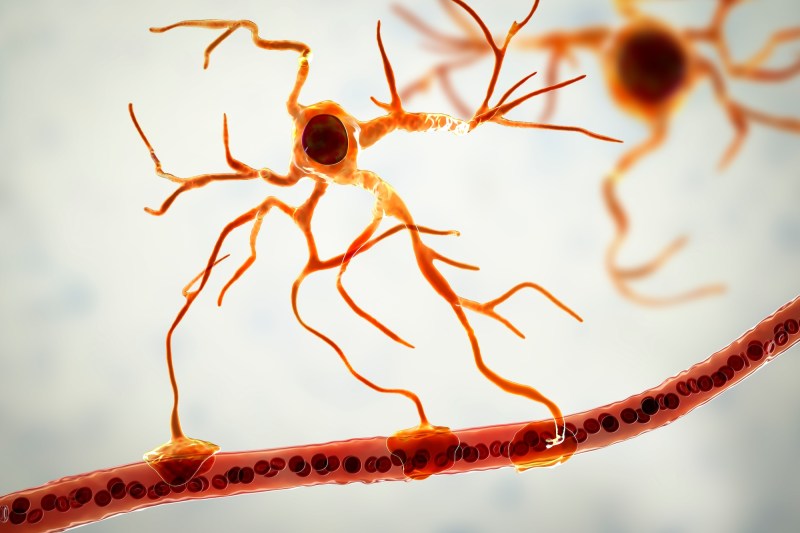
Marshall University research identifies lasting brain changes associated with adolescent binge alcohol exposure
New research from the Marshall University Joan C. Edwards School of Medicine provides insight into how binge alcohol exposure during adolescence may cause lasting changes in brain function that persist into adulthood, potentially identifying a new target for future treatment approaches.
The study, published August 15, 2026, in Molecular Psychiatry, found that intermittent ethanol exposure during adolescence disrupted communication between astrocytes—supportive brain cells increasingly recognized for their role in neural signaling—and synapses in the hippocampus, a region of the brain important for learning and memory.
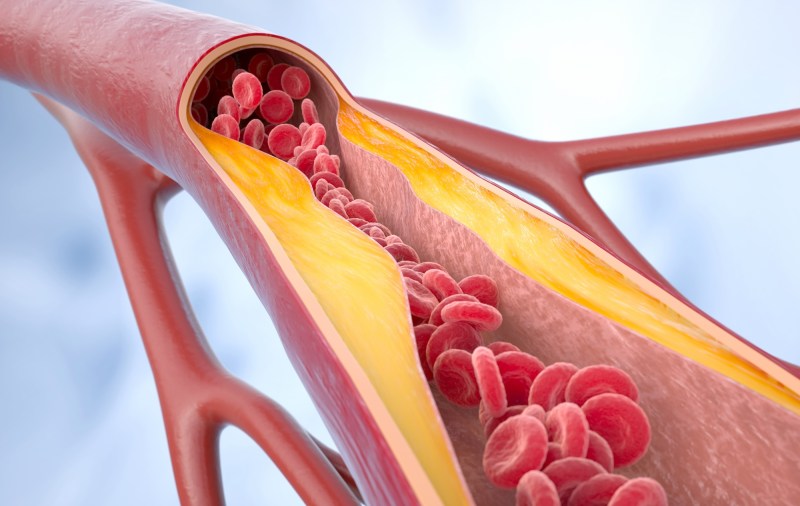
Marshall study identifies potential new target for treating atherosclerosis
Researchers at the Marshall University Joan C. Edwards School of Medicine have identified a cellular signaling pathway in fat cells that may play an important role in the development of atherosclerosis, offering a potential new target for treating the disease.
The study, published in Arteriosclerosis, Thrombosis, and Vascular Biology, found that blocking Na/K-ATPase (NKA) signaling specifically in adipocytes, or fat cells, reduced the formation of atherosclerotic plaque and decreased inflammation in blood vessels. The findings provide new insight into how dysfunction in fat tissue can contribute to vascular disease.
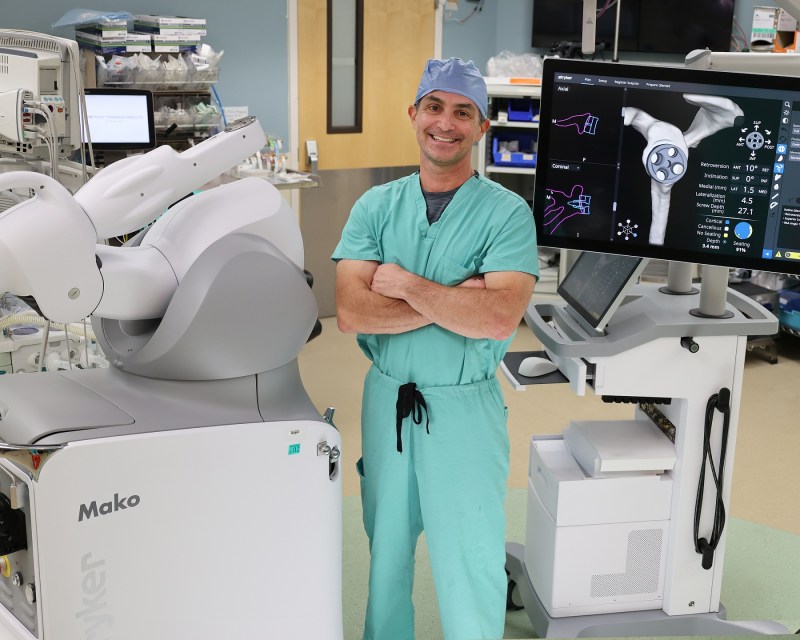
Marshall Health Network performs West Virginia’s first robotic arm-assisted shoulder replacement surgery using Mako SmartRobotics™
Marshall Health Network Orthopaedic Surgeon John J. Jasko, M.D., performed West Virginia’s first robotic arm-assisted shoulder replacement surgery using Mako SmartRobotics™ at the end of August 2026.
Known as Mako Shoulder, the technology combines 3D CT-based planning with robotic arm-assisted technology to create a patient-specific surgical plan based on each individual’s anatomy. Surgeons can review the plan before surgery and make adjustments as needed during the procedure.
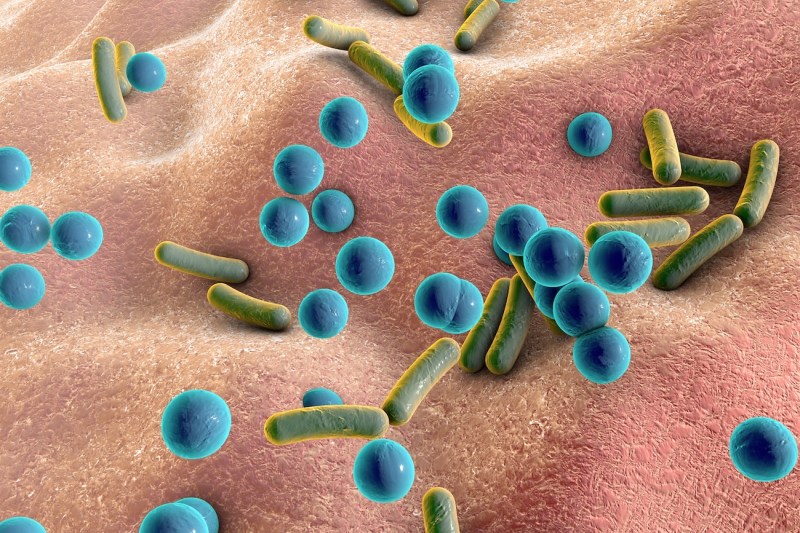
Marshall University researcher awarded two NIH grants to advance research on antibiotic-resistant infections
Wei Xu, Ph.D., assistant professor of biomedical sciences at the Marshall University Joan C. Edwards School of Medicine, has received two highly competitive National Institutes of Health (NIH) R21 grants totaling more than $810,000 to investigate new approaches for combating antibiotic-resistant bacterial infections.

Marshall professor’s research highlighted in leading astrophysics journal
Dr. Maria C. Babiuc Hamilton, a professor of physics in Marshall University’s College of Science, has teamed up with Dr. Axel Gross of the Los Alamos National Laboratory and student Owen Odney of Purdue University to conduct research that has been published by The Astrophysical Journal.

Marshall University researcher helps develop first international guidance on GLP-1 medications and women's reproductive health
As the use of GLP-1 and other incretin-based medications for obesity continues to grow worldwide, researchers at Marshall University have contributed to an international effort to address one of medicine’s most pressing unanswered questions: How should these medications be used by women before, during and after pregnancy?
A new international review and consensus guideline published in Obesity Reviews provides the first comprehensive clinical recommendations for the use of incretin-based medications across the reproductive lifespan. Developed by experts from Europe, North America and the Middle East, the review systematically evaluated the available evidence and established practical guidance for clinicians caring for women of reproductive age.

Gut Luminal Exosomes in Young and Old Mice: Multi-Omic Characteristics and Regulation of Gut Permeability
Researchers at the Marshall University Joan C. Edwards School of Medicine have identified new evidence suggesting that tiny particles produced in the gut may help drive inflammation and chronic disease associated with aging. These findings offer new insight into how sleep, metabolism and immune health may be interconnected.

Study finds new ACL surgery approach helps most patients return to activity
New research from orthopaedic specialists at Marshall Health Network and the Marshall University Joan C. Edwards School of Medicine demonstrates promising outcomes for patients undergoing anterior cruciate ligament (ACL) reconstruction using an advanced technique that combines biologic augmentation with internal stabilization.
The study, published April 2026 in Arthroscopy, Sports Medicine, and Rehabilitation, evaluated patient outcomes following ACL reconstruction using a quadriceps tendon autograft enhanced with bone marrow aspirate concentrate (BMAC), demineralized bone matrix and suture tape augmentation. Researchers conducted a retrospective review of patients who completed at least two years of follow-up post surgery. Patients in the study were primarily young and active, with an average age of 19.4 years.
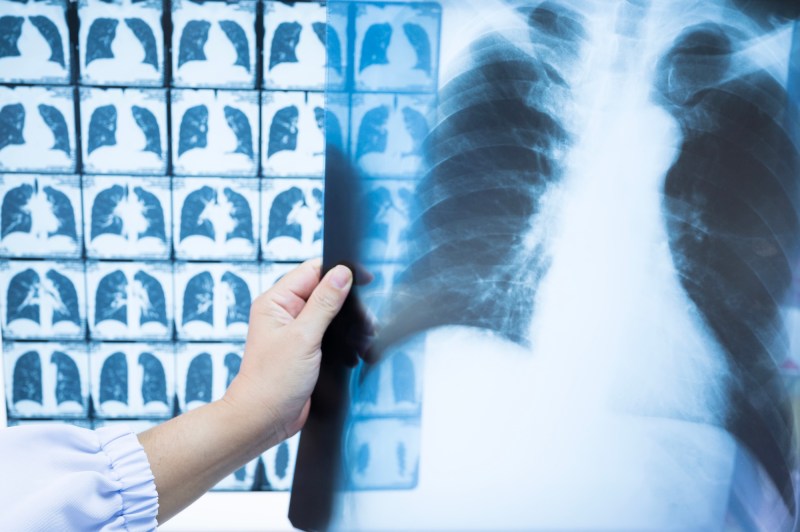
Researchers explore potential link between COVID-19 and lung cancer risk
New findings from researchers at the Marshall University Joan C. Edwards School of Medicine and The Hebrew University of Jerusalem have identified a potential association between COVID-19 and increased lung cancer risk, driven by underlying biological mechanisms in the lung.
The study, published in Frontiers in Immunology, integrates human clinical data with mechanistic research in animal and cellular models to better understand how SARS-CoV-2, the virus that causes COVID-19, may contribute to long-term lung disease.

Marshall University and University of Missouri researchers co-develop new deep learning platform to advance precision medicine
Researchers from Marshall University and the University of Missouri have partnered to develop G2PDeep, an innovative web-based platform that uses advanced AI to analyze multiple types of biological data and more accurately predict complex health outcomes.