forensic science center

About the Forensic Science Center

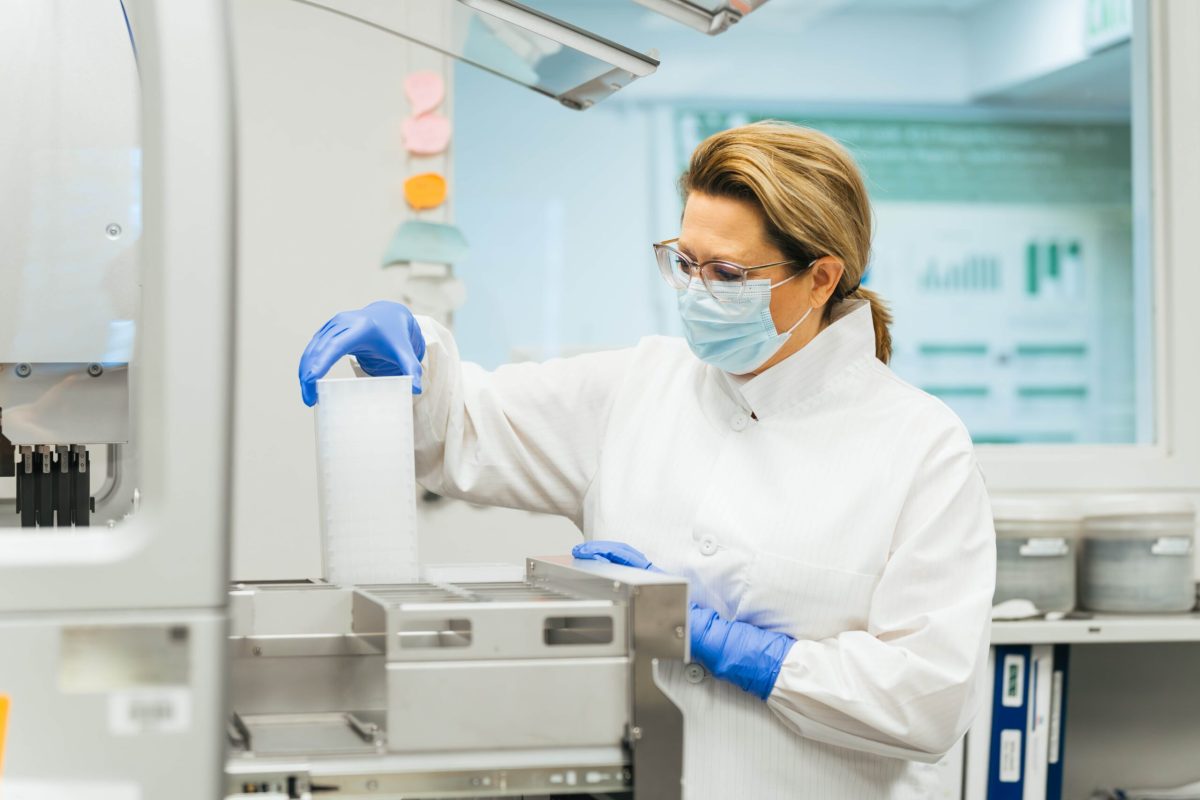
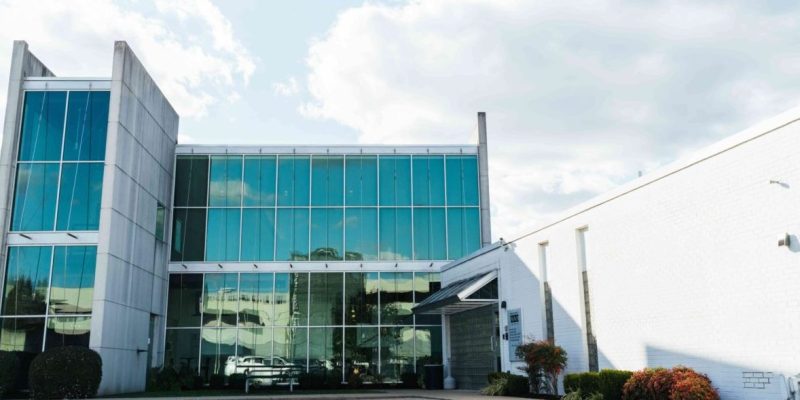
Located in Huntington, West Virginia, the Forensic Science Center is a state-of-the-art facility offering advanced graduate education and critical services in forensic science. The center houses:

  • The Master of Science in Forensic Science (MSFS) – one of the top-ranked programs in the nation
  • Fully accredited forensic DNA and toxicology laboratories
  • Ongoing research in emerging areas such as digital forensics, forensic biology and analytical chemistry
  • Training and outreach for professionals at local, state and federal levels

Our faculty are not only educators but also practitioners and researchers. Their mentorship ensures students gain both the knowledge and the hands-on experience needed to thrive in today’s competitive job market.

Our History

Innovation, Education and Leadership in Forensic Science

The Marshall University Forensic Science Center has a proud legacy of advancing justice through science. Since its inception, the Center has stood at the forefront of forensic education, DNA analysis and laboratory innovation — serving as a national model for collaboration between higher education and law enforcement.

The Origin of Forensic DNA in West Virginia

  • In 1989, the first criminal case involving DNA analysis was tried in Huntington, West Virginia – marking a pivotal moment in the state’s forensic history.

  • This groundbreaking case created an urgent need for a new DNA testing model to support the state’s biological evidence processing.

By 1992, Marshall University responded by launching courses in forensic DNA and toxicology, taught directly to scientists at the West Virginia State Police Forensic Laboratory.
These training programs were led by Dr. Terry Fenger, a respected educator and researcher who began his Marshall career in 1979. Dr. Fenger would go on to become:


Graduate Program Launch and National Designation

To address the growing need for trained forensic DNA professionals:


Growth, Accreditation and Expansion

  • 1997: The master’s program graduates its first class of forensic science students.

  • 1999: MUFSC moves into its current state-of-the-art facility, featuring advanced classrooms and a fully functional forensic DNA analysis lab.

In the early 2000s, the Center expanded its leadership role:


A Tradition of Service and Innovation

From educating West Virginia’s first DNA analysts to helping solve complex cases across the nation, the Marshall University Forensic Science Center has built a legacy rooted in public service, academic rigor and scientific innovation.

As we look back with pride, we also look ahead – with a deep commitment to:

  • Serving the justice system

  • Preparing the next generation of forensic leaders

  • Advancing the field through research, technology, and training

Affiliations

First and foremost, Marshall University FSC DNA Laboratory is affiliated with Marshall University and the Marshall University Research Corporation. In addition, the DNA Laboratory, through Memoranda of Understanding, work in conjunction with the WVSP Crime Laboratory and our federal partners.

Marshall University

  • Marshall University is a multi-campus public university providing innovative undergraduate and graduate education that contributes to the development of society and the individual. Marshall University actively facilitates learning through the preservation, discovery, synthesis, and dissemination of knowledge.
  • Learn more about Marshall University.

Marshall University Research Corporation

  • A not-for-profit corporation chartered under the laws of the State of West Virginia, the Marshall University Research Corporation (MURC) delivers professional services to members of the university community. MURC is committed to an active, growing and successful research enterprise that will help address today’s challenges, improve the quality of life in the community and provide an engine for economic development.
  • Learn more about the Marshall University Research Corporation.

West Virginia Foundation for Rape Information Services

  • The West Virginia Foundation for Rape Information and Services (WV FRIS) is West Virginia’s state sexual assault coalition. Established in 1982 and comprised of the state’s nine rape crisis centers, FRIS works with all allied professionals to strengthen services and develop intervention and prevention programs to address sexual violence, stalking, and dating violence.
  • Learn more about WV FRIS.

National Institute of Justice

  • The National Institute of Justice (NIJ) is the research, development, and evaluation agency of the U.S. Department of Justice (USDOJ) and is dedicated to researching crime control and justice issues. The NIJ provides objective, independent, evidence-based knowledge and tools to meet the challenges of crime and justice, particularly at the State and local levels.
  • Learn more about the NIJ.