Building Communication Skills for Real-Life Connections
Successful communication involves more than knowing what to say. Children and teens also need to understand how to start and maintain conversations, interpret social cues, consider another person’s perspective, navigate disagreements, develop friendships, and adjust their communication across different situations.
The Marshall University Speech and Hearing Center offers Social Language Groups for children and adolescents who experience challenges with social communication. Our groups provide a supportive environment where participants can learn, practice, and apply communication strategies while interacting with peers.
Rather than practicing social communication skills only with an adult clinician, group therapy provides opportunities to use these skills in more natural interactions with other children and teens. Our goal is to help participants develop communication skills that support meaningful relationships and successful participation at home, at school, and in the community.
Who can Benefit from Social Language Groups
Social Language Groups may benefit children and teens who have difficulty using language effectively during social interactions.
Participants may include children and adolescents with:
- Social communication difficulties
- Autism spectrum disorder
- Social (pragmatic) communication disorder
- Attention or executive functioning difficulties that affect social interaction
A diagnosis is not necessarily what determines whether a child is appropriate for a group. Placement is based on each child’s individual communication needs and whether the group setting is an appropriate match.
Why Group Therapy?
Social communication happens with other people. That makes a group setting particularly valuable for practicing these skills.
Within Social Language Groups, participants have opportunities to interact with peers while clinicians provide support, coaching, and feedback in real time.
Group activities may include:
- Conversations with peers
- Cooperative games and activities
- Group problem-solving
- Role-playing real-life situations
- Collaborative projects
- Discussions about friendships and relationships
- Practice navigating disagreements or misunderstandings
- Activities based on participants’ shared interests
The group environment allows participants to practice communication skills in situations that more closely resemble the interactions they encounter in everyday life.
Individualized Group Placement and Trial Sessions
Social Language Groups are not a one-size-fits-all program. Successful group therapy depends on placing children and teens with peers who have compatible communication needs, interaction styles, and goals.
Our clinicians consider several factors when identifying an appropriate group, including:
- Communication strengths and needs
- Individual treatment goals
- Age and developmental level
- Interests
- Compatibility with other group members
- Ability to benefit from a group environment
For most children and teens, we offer a trial group session before making a final placement recommendation. This gives the participant an opportunity to experience the group and allows our clinicians to observe interactions with peers, determine whether the group is a good fit, and identify ways we can best support successful participation.
Following the trial session, our clinicians will discuss recommendations with the family. In some cases, we may recommend a different group, individual therapy, or another service that better meets the child’s current needs.
Group Availability and Waitlist
Because groups are intentionally created around the needs and compatibility of participants, enrollment is limited. We frequently maintain a waitlist for Social Language Groups.
Joining the waitlist does not necessarily mean that a child will have to wait for a long period of time. Placement depends on the availability of a group that is an appropriate match for the child’s age, communication needs, goals, and interaction style.
Our team will contact families when an appropriate group opportunity becomes available.
When and Where Do Groups Meet?
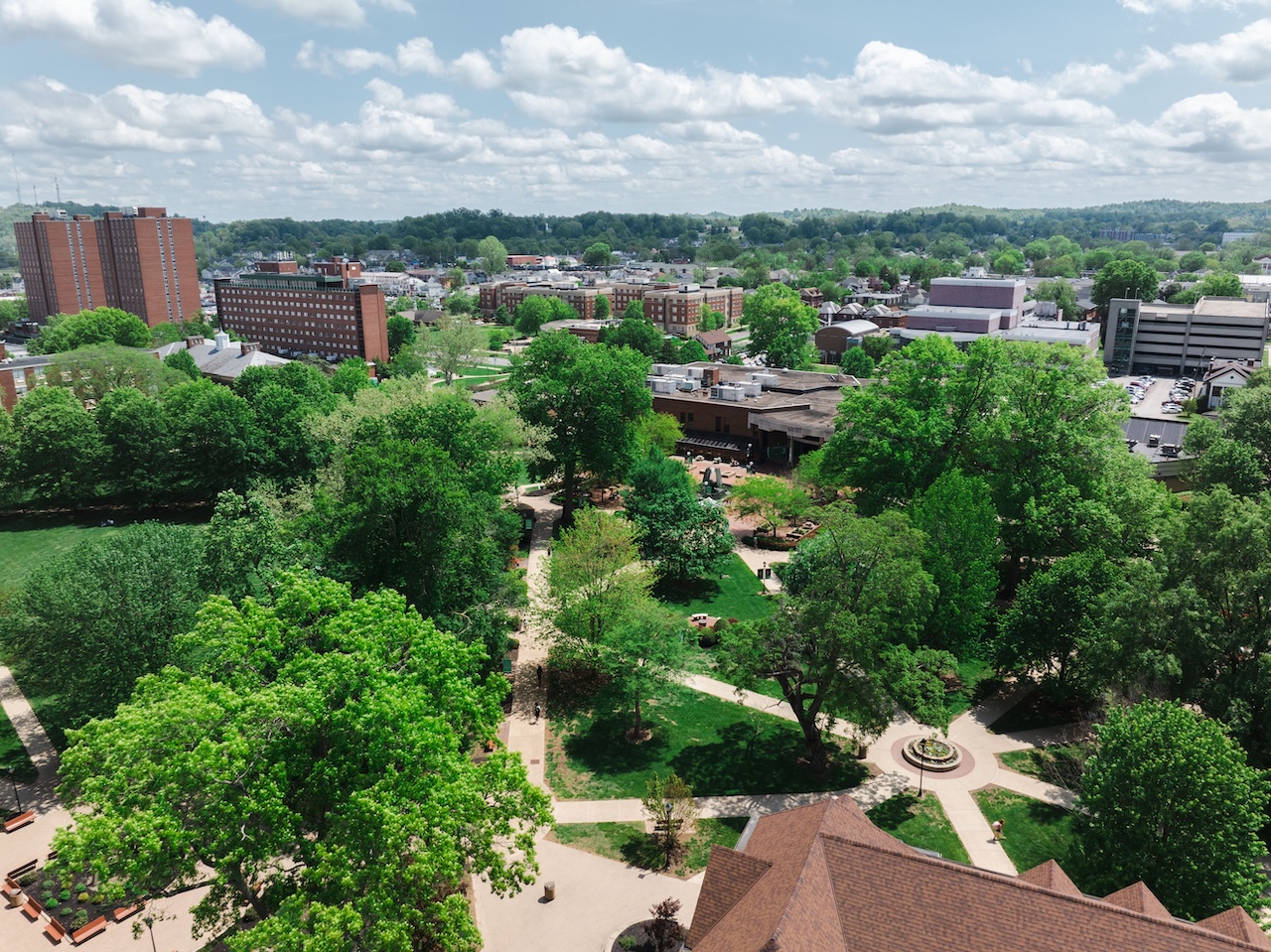
Social Language Groups are held at the Marshall University Speech and Hearing Center in Smith Hall on Marshall University’s Huntington campus.
Groups typically meet weekly or twice per month. Specific days and times may vary by semester based on participant needs, clinician availability, and group composition.
Families will receive scheduling information when an appropriate group placement becomes available.
Insurance and Payment
The Marshall University Speech and Hearing Center bills insurance for Social Language Group services. Coverage and individual out-of-pocket costs vary by insurance plan.
Our clinic staff can provide information about insurance billing and help families understand the process before beginning services. Families are also encouraged to contact their insurance provider regarding coverage for speech-language therapy and any plan-specific requirements.
Learn More About Social Language Groups
If your child or teen has difficulty navigating conversations, friendships, peer interactions, or other aspects of social communication, our team can help determine whether a Social Language Group may be appropriate.
Contact the Marshall University Speech and Hearing Center at 304-696-3641 to learn more about current groups, trial sessions, insurance billing, or placement on our waitlist.