
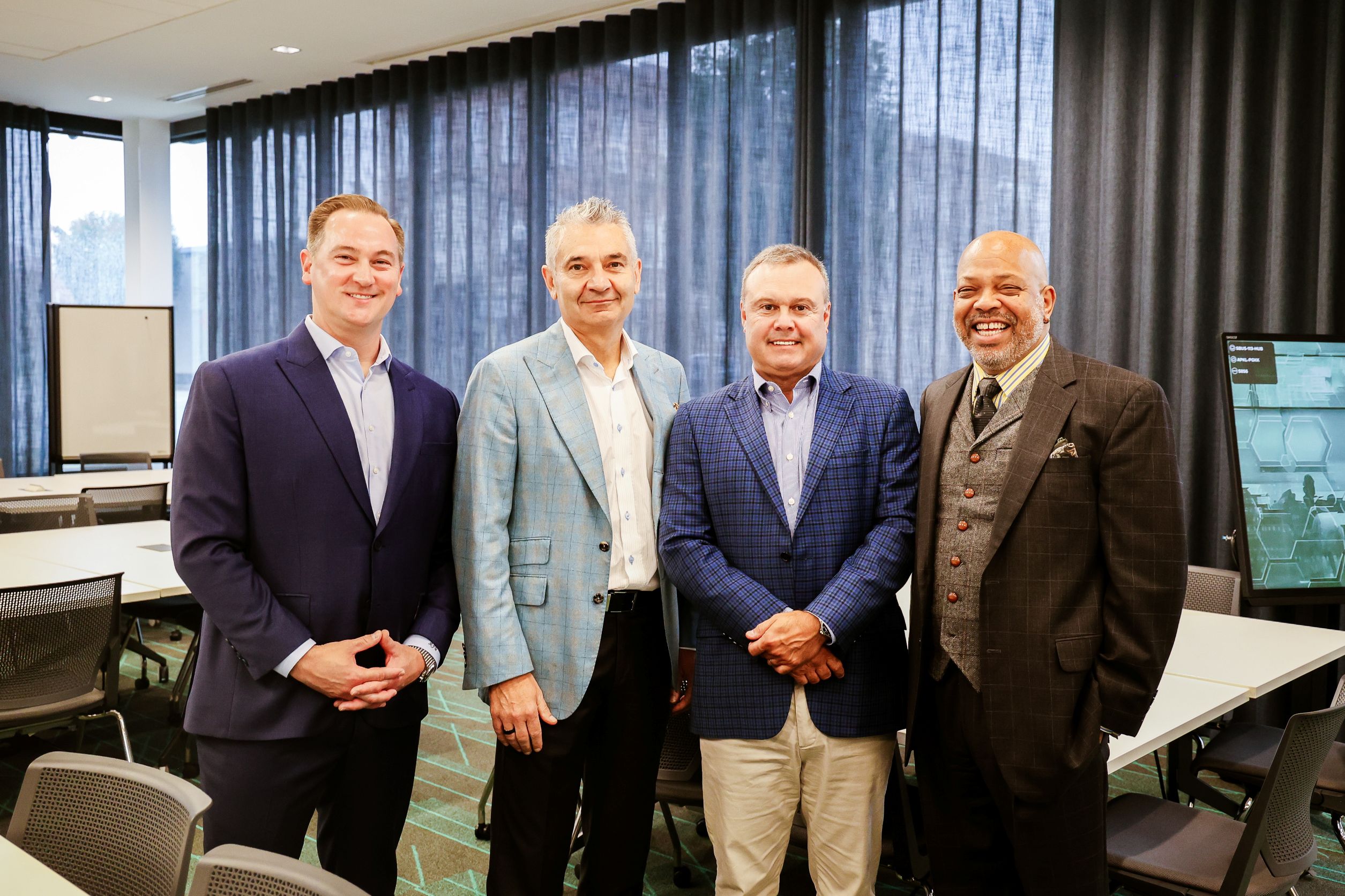
The funding will help advance efforts to deploy 54 or more augmented reality training systems throughout the state, expanding access to comprehensive, simulation-based training for EMS professionals, particularly in rural and underserved communities where traditional training resources may be limited.
“Appalachian Power recognizes the vital role EMS professionals play in the health and safety of our communities,” said Brian Abraham, president and chief operating officer of Appalachian Power. “We see tremendous potential in this program and the difference it can make across West Virginia, particularly in rural areas. The Appalachian Power Foundation is committed to strengthening the areas we serve, and we are proud to support this initiative, which will help build a skilled emergency response workforce and improve access to critical, lifesaving care.”
The training system, provided by Medcognition, uses an augmented reality connection to provide simulations across more than 10,000 scenarios, allowing participants to develop and practice skills in a range of emergency situations. An earlier pilot program, supported by the Shell family of Huntington, distributed 14 training units throughout West Virginia and was highly effective.
“The goal is not simply to put more training systems in the field,” said Dr. Alan Letton, director of Marshall’s Center for Economic & Community Development in Isolated Communities. “We also want to understand what works, what it costs and how the program affects the communities it serves. By documenting those outcomes, we can help communities and policymakers make informed decisions about future investments in emergency response training.”
Established to provide research-informed approaches to community development, the center focuses on strategies tailored to the needs of smaller communities throughout central Appalachia. More than 95% of communities in the region have populations of 70,000 or fewer, creating distinct economic and infrastructure challenges that may require solutions different from those used in large metropolitan areas.
Through the project, Marshall researchers will work with the recently established Central Appalachia Applied Economics Collective, a partnership involving East Tennessee State University, West Virginia State University and Marshall, in collaboration with the West Virginia Community Development Hub.