Jim Morrison’s Story
By Josie Mannon, Music Staff
Sep. 28 , 2026
HUNTINGTON, W. Va. (WMUL-FM) — Welcome to The Story Behind the Sound! I’m Josie Mannon and I have an interest in “old” music, including the artists/bands behind the sound and songs themselves. Here we will take a deep dive twice a month into an artist, band, or song, looking at their history, upbringing, vision, and standing in our society today. For the second edition of September, we will be covering the “Lizard King” himself, Jim Morrison.
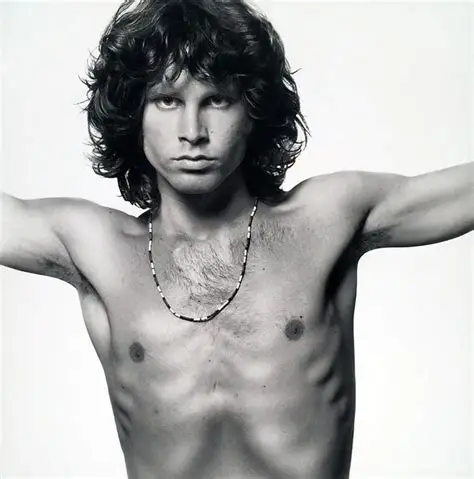 James Douglas Morrison was born on Dec. 8, 1943, in Melbourne, Florida. His family moved around a lot due to his father being a rear admiral in the U.S. Navy. His father was also strict, having a position of authority in their household. Most likely being the main source of Morrisons to be known rebellious personality. Later in 1964, Morrison moved to the West Coast, where he pursued education at UCLA in film and theater. Especially having an interest in poetry, even writing his own.
A classmate Morrison met during his studies, Ray Manzarek (keyboardist), was impressed by his lyric writing. As a result, they decided to start a band recruiting members Robbie Kriger (guitarist) and John Densmore (drummer), where The Doors was created. This was where Morrison started his “stage” name Jim.
The band rose to fame in 1967 with their debut but struggled to maintain that status. Morrison (vocalist) created intense reactions with his concert behavior, mentioning vulgar subjects or speaking profanity. Furthermore, he even destroyed band equipment while having a drunk outburst. But the band continued to perform and create more music.
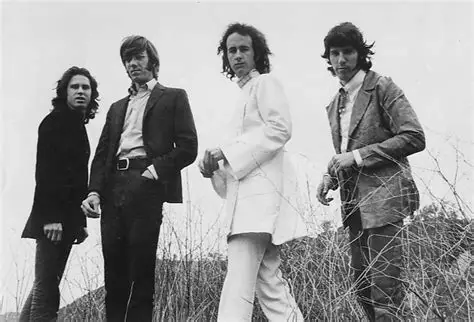 The Doors’ first hit was “Light My Fire” (The Doors), reaching number one on the Billboard Hot 100 in 1967, according to Popular Timelines. This song was written mostly by Krieger and had some parts contributed by Morrison. Krieger wanted to capture one of the four elements: fire. He came about this idea by Morrison telling him to write about “something universal, which won’t disappear two years from now. Something that people can interpret themselves,” said songfacts.com. Other popular hits from The Doors are “Riders on the Storm” (L.A. Woman 1971), “Break On Through (To The Other Side)” (The Doors 1967), and “Roadhouse Blues” (Morrison Hotel 1970).
However, Morrison moved on from The Doors, leaving in March 1971. Moving to Paris to be with his girlfriend, Pamela Courson, to pursue his real calling – writing.
Aside from The Doors, Morrison is also known for many other things. His poetry is one of the biggest. In 1969 he published his first two volumes of poetry, The Lords/Notes on Vision and The New Creatures. These ended up being the only two writings published during his lifetime. However, Morrison also recorded his poetry. After his death, The Doors members came together and used one of them in the song “An American Prayer” (An American Prayer 1978).
Another thing Morrison was known for was his rebellious personality. His stage performance, as I mentioned, was chaotic. He wrote provocative songs and made it clear he did not like the social restraints of the ‘60s. Morrison also had multiple encounters with the law, mostly over public drunkenness, but he also was arrested during a performance. After getting yelled at and maced by a cop for making out with a girl backstage, Morrison went on stage and started verbally attacking the cop. Ending with police rushing toward him and arresting him for public obscenity and encouraging a riot.
However, there are some things people may not know about Morrison. At the beginning of his career, he presented himself as a very shy person. Avoiding eye contact with the crowd or just turning his back to them completely. Furthermore, Morrison also came up with the name “The Doors” for the band. It was taken from a book by Aldous Huxley, The Doors of Perception. The book was about Huxley’s experience with mescaline, a psychedelic.
As you may have questioned at the beginning, Morrison also goes by the nickname “The Lizard King.” This name first appeared in the song “Not to Touch the Earth” (Waiting For The Sun 1968) by The Doors. During the outro Morrison sings, “I am the Lizard King; I can do anything.” In a 1971 interview with Rolling Stone, Morrison explains why he is called this. Simply because it is catchy, ironic, and simple. However, fans and the public had their own theories about this name, being he was insane or it was his alter ego.
But the Lizard King came to his end sooner than expected. In 1971 on July 3rd, Morrison died at the age of 27 due to a heart attack, according to French authorities. Sometime after leaving The Doors and heading to Paris, Morrisons’ girlfriend found him dead in their apartment bathtub. However, the public did not think excessive drinking or a heart attack caused his death. Theories were starting to spread, sharing how it may have been a heroin overdose instead.
Courson shared many different views on whether Morrison was doing heroin or not. She would say various things, not sticking to one story. But, years after his death, in 2007 witnesses shared that Morrison died in a nightclub’s bathroom in Paris. Claiming Morrison bought heroin for his girlfriend and then disappeared into the bathroom, where he was found slumped over a toilet, according to Rolling Stone. From there, two drug dealers allegedly moved him to his apartment to cover up the overdose and stuck him in the bathtub to try and revive him.
In society today, Morrisons’ death and its circumstances are still unclear. But The Doors and him still stay relevant. The band pulls in around 1.66 million daily streams on Spotify and 11.1 million monthly active listeners. With songs like “The End” (The Doors 1967) and “Riders On The Storm” (L.A. Woman 1971), listeners are brought into an immersive, theatrical journey. Something not seen with modern-day songs. The Doors are unique and stand out, being particularly interesting to the youth of today.
Morrison is also very impactful because of his magnetic energy. He valued poetry, treated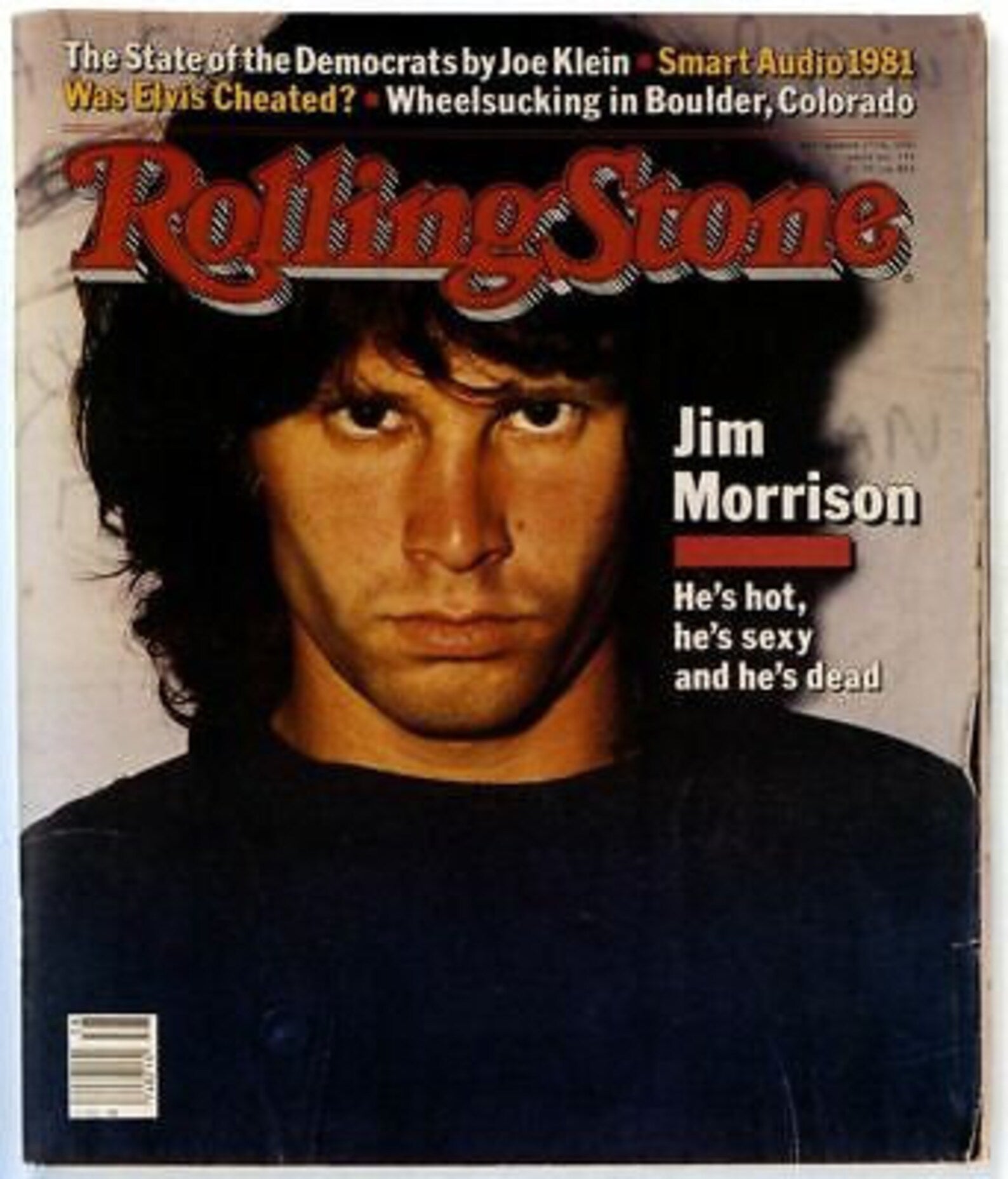 his concerts like rituals, had the rebellious personality going against social norms, died at a young age, and is known to be very attractive. All of these things can be a factor as to why young fans love Morrison. He was “unusual”, intriguing, and had this raw energy that is still alive even after his passing. As a Rolling Stone magazine from 1971 headlines, “He’s hot, he’s sexy, and he’s dead.”
Jim Morrison, I can already tell is going to be one of my favorite additions to The Story Behind the Sound. Being a talented, fascinating mess. If readers are interested in streaming The Doors, their music is available on any major streaming platform. Morrison’s poetry can also be bought on Amazon. Look out for the next addition to this column in Oct., and remember, behind every sound is a story.