
Design Center
Impact at a Glance

Enhanced Human-Centered Online Learning through the H.O.M.E. Framework
The Design Center successfully scaled the H.O.M.E. (Humanistic Online Model for Engagement) Framework across the institution, embedding human-centered quality standards into online learning. Since its launch in August 2024, the framework has grown from a pilot initiative into a cornerstone of online teaching at Marshall, with 497 faculty earning H.O.M.E. certification by our deadline of June 30, 2026.
- Expanded training pathways: Developed a Blended version of the H.O.M.E. Certification Course so that faculty could get an introduction to the H.O.M.E. standards in the brief online H.O.M.E. Foundations course, and then participate in a shorter, dedicated live workshop to talk with peers and instructional designers about how to apply standards to their own courses.
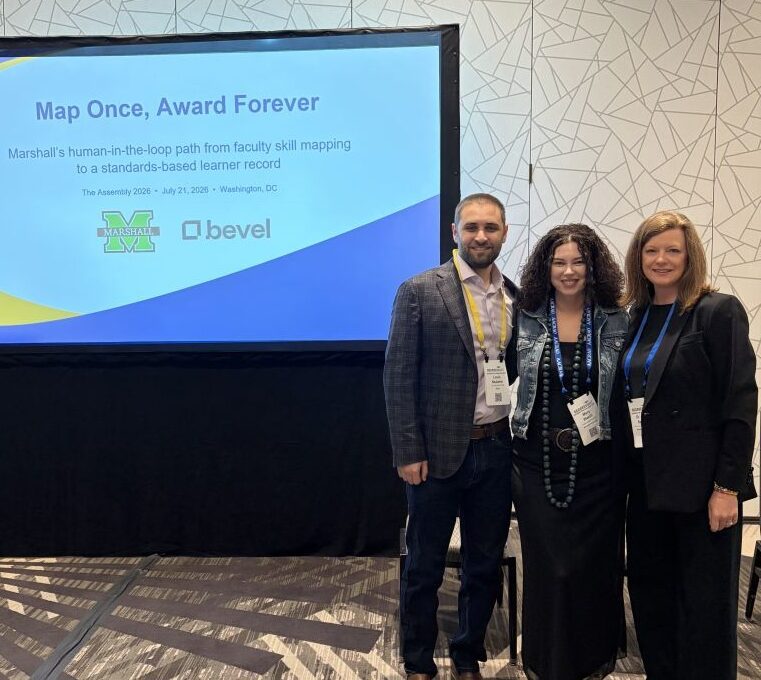
- Improved course review efficiency with AI: Partnered with Bevel AI to enhance our Three-Year Online Course Review process by integrating AI-supported course evaluations aligned with the H.O.M.E. Framework. This collaboration streamlines the review process by identifying high-impact opportunities for improvement while allowing instructional designers to engage in meaningful consultation and faculty support.
Strengthened Faculty Partnerships and Recognition
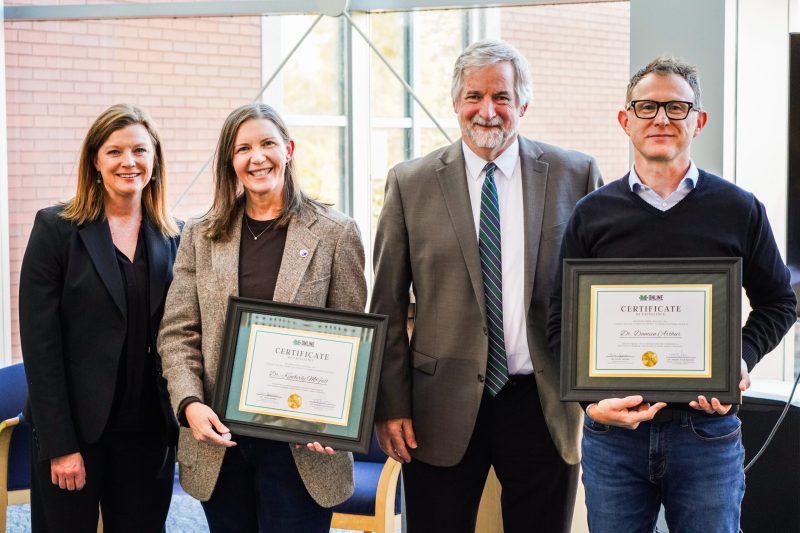
The Design Center continued to celebrate exceptional teaching through the Stephen and Sue Zemba Excellence in Online Teaching Award. The award recognizes faculty who demonstrate innovation, engagement, and a commitment to student success in online learning. Through the nomination and selection process, we had the opportunity to highlight outstanding teaching practices across the university, honor both nominees and award recipients, and showcase the impactful work faculty are doing to create meaningful online learning experiences for Marshall students.
- Congrats to this year’s winners, Dr. Damien Arthur and Dr. Kim McFall.
Marshall Online’s Faculty Liaisons for Online Innovation served as an important bridge between faculty and the Design Center, meeting regularly with our team to share faculty perspectives, identify challenges and opportunities, and brainstorm innovative solutions. Their contributions were especially valuable in developing our three-year course review process–helping us refine Bevel AI prompts and strengthen faculty communication.
- Special thanks to Dr. Damien Arthur, Dr. Kim McFall, and Dr. Laura Stapleton for serving in this role.
Advanced Digital Accessibility through Campus-Wide Collaboration
- Digital Accessibility and Universal Design for Learning: Developed this page to provide Marshall faculty and staff with updates on accessibility compliance, who they can contact for help, and tutorials for how to comply in our Designing for All, Habit by Habit series.
- Digital Accessibility Resource Center: Developed this Blackboard organization, in collaboration with MUIT and the Digital Accessibility Committee, that centralizes accessibility resources and tool tutorials, and that also includes Marshall-specific guidance from the committee.
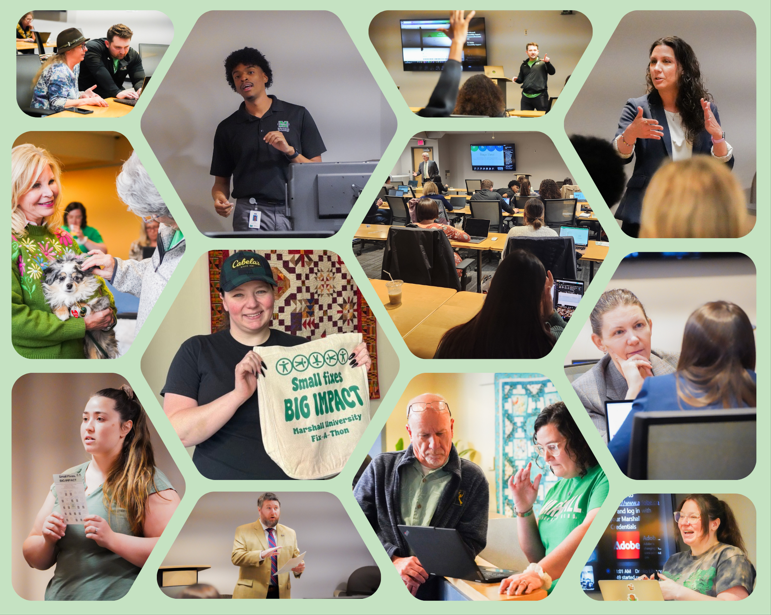
- Blackboard’s Global Fix Your Content Day: Coordinated Marshall’s participation in Blackboard’s Fix Your Content Day, resulting in 553 accessibility fixes in Blackboard Ally within 24 hours. Because of faculty involvement, Marshall ranked #30 out of 120 participating institutions.
- Digital Accessibility Fix-a-Thon: Because of our success with FYCD, we held a similar all-day event in March 2026, which engaged 80+ participants, generated 203 Blackboard Ally accessibility reports, and resulted in 546 accessibility improvements in a single day.
Expanded AI Integration in the Learning Environment
Enhanced Courses with Video
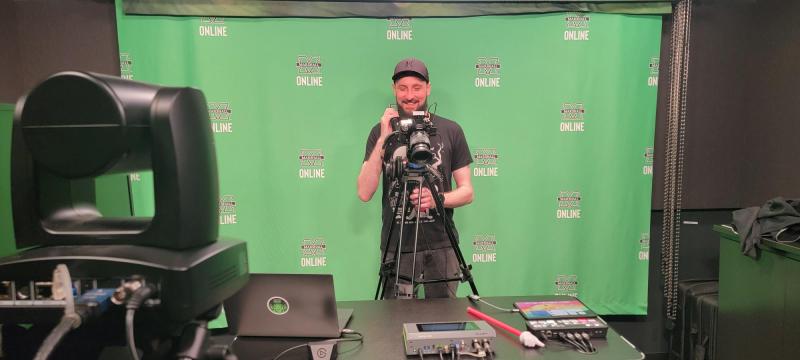
Marshall Online’s Video Recording Studio co-produced instructor welcome videos, lecture recordings, and course overviews that supported learning in online courses serving hundreds of students. Additional recordings for orientation, accessibility training, and marketing initiatives had the potential to reach all Spring 2026 online students and continue to provide value in future semesters through ongoing use in courses and university resources.
- 34 studio sessions
- 26 unique individuals served
- 46+ hours documented studio time
Strengthened Regional Leadership with MCTC
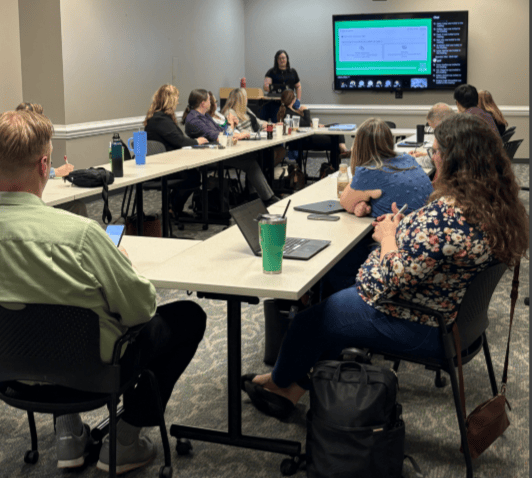
The Design Center continued its partnership with Mountwest Community and Technical College to support faculty development. Our team presented at MCTC’s three-day Summer Institute, sharing strategies and resources that support effective online teaching, digital accessibility, and student-centered course design. We have a weekly presence on their campus for ongoing collaboration.
Infrastructure Behind the Scenes
The Design Center’s work extends beyond training and consultations to include the behind-the-scenes infrastructure, partnerships, and innovations that help faculty succeed—and, in turn, improve outcomes for the students they serve.
- Worked with Institutional Research to creatd dashboards that track progress on H.O.M.E. Framework certification and digital accessibility initiatives, providing leaders and departments with actionable insights into training participation, course quality efforts, and compliance readiness.
- Worked with MUIT to improve the course review process inside of Salesforce
- Worked with MUIT on course review process in Salesforce